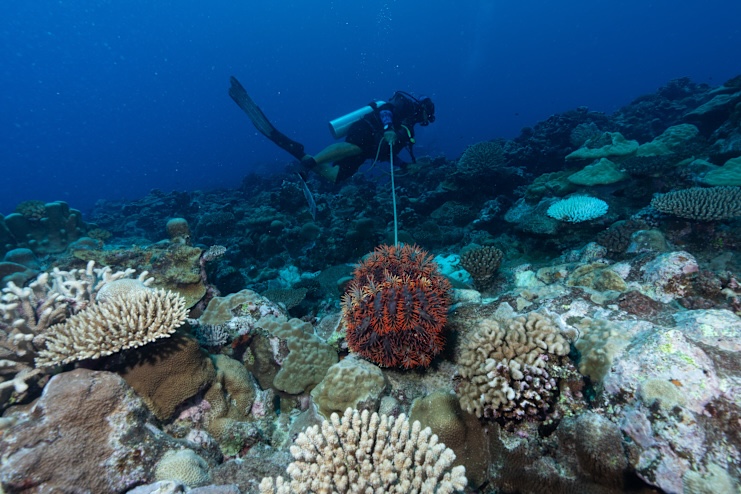
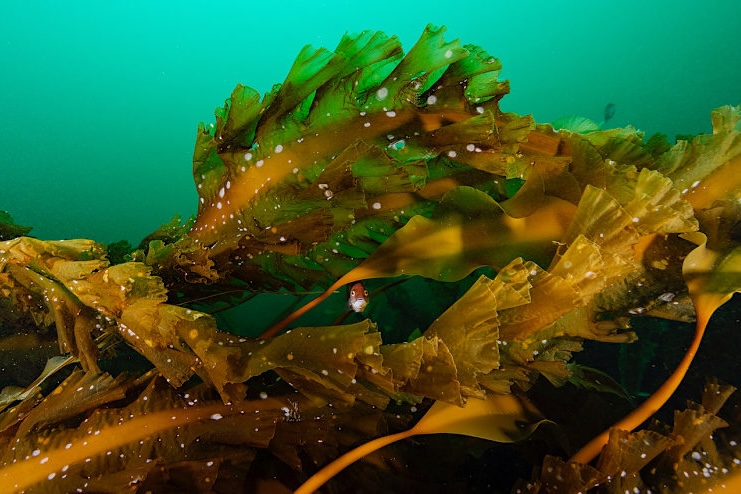
Revealing and protecting underwater worlds
Our Explorers discover, understand, and conserve marine and coastal systems and inspire and empower local and global audiences to better understand and protect the ocean.
LEARN MORE
Preserving and protecting land environments
Our Explorers explore, understand, and conserve terrestrial and freshwater systems and inspire and empower local and global audiences to better understand and protect our lands, lakes, and rivers.
LEARN MORE
Protecting and conserving wildlife
Our Explorers inspire and empower local and global audiences to better understand and protect wildlife, including animals, plants and fungi.
LEARN MORE
Understanding our past and protecting our future
Our Explorers work to preserve cultural knowledge, better understand human histories, cultures, practices, diversity, and evolution—past and present, center communities, and inform and inspire global audiences with stories or lessons about humanity.
LEARN MORE
Protecting the planet
Our work in Planetary Health covers projects that explore the relationships and interdependencies between human health and the environment. These include all natural systems, such as oceans, land. atmosphere, flora, fauna, fungi and microbes.
LEARN MORE
Exploring what's beyond our world
Our work in Space encompasses projects dedicated to exploring and understanding the universe and supporting National Geographic Explorers who examine and illuminate our world and what lies beyond it.
LEARN MORE