Our Team
Founder
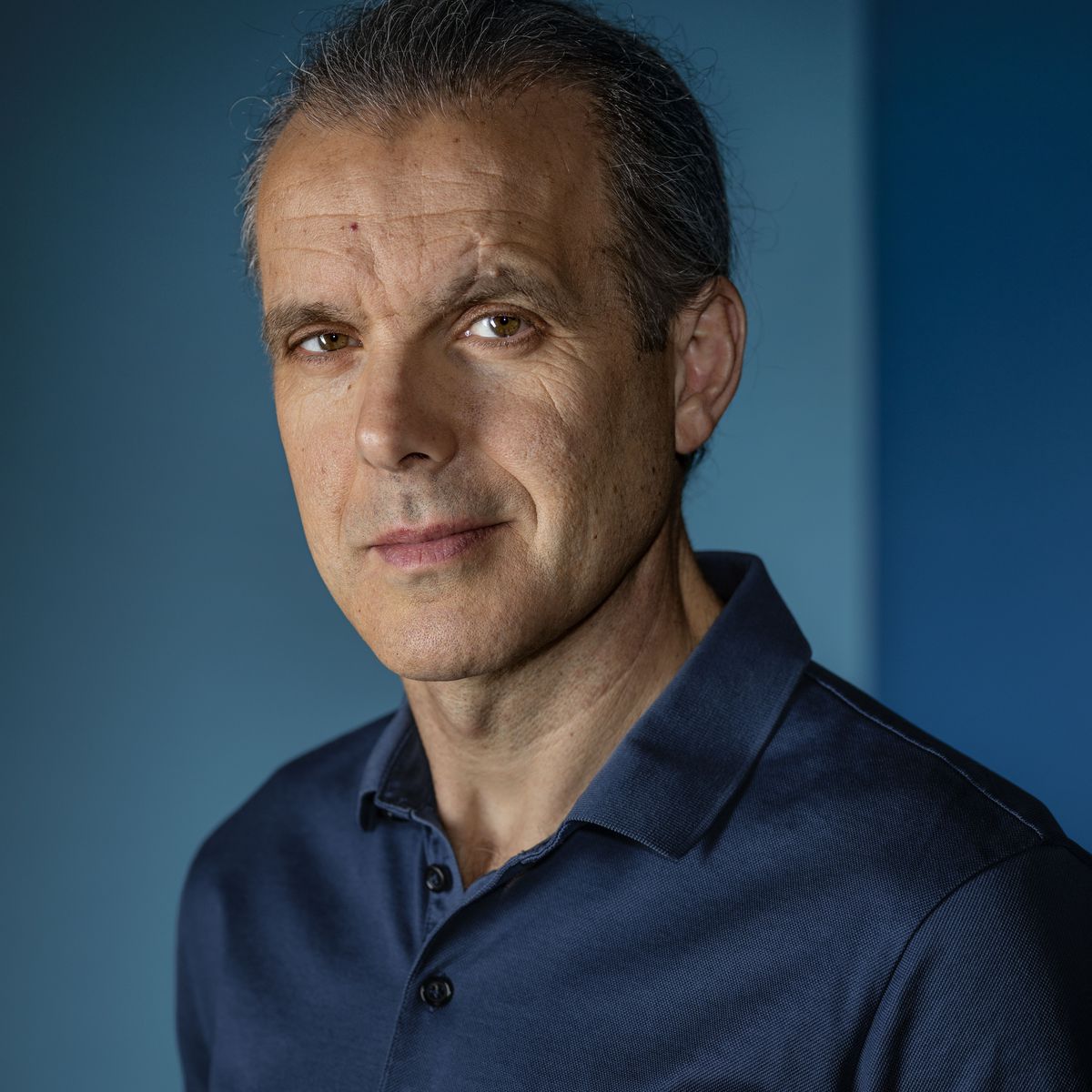
Enric Sala
Enric Sala is a former university professor who saw himself writing the obituary of ocean life, and quit academia in 2008 to become a full-time conservationist as National Geographic Explorer in Residence. He founded and leads National Geographic Pristine Seas, a project that combines exploration, research, media, economics and policy – working with local communities, Indigenous Peoples and governments to protect vital places in the ocean. To date, Pristine Seas has helped to create 29 of the largest marine reserves on the planet, covering an area of over 6.9 million square kilometers. Enric has received numerous awards, including 2008 World Economic Forum’s Young Global Leader, 2013 Explorers Club Lowell Thomas Award, 2018 Heinz Award in Public Policy, National Geographic Hubbard Medal, Albert I Grand Medal, and Officer of the Order of San Carlos of Colombia. He is a fellow of the Royal Geographical Society.
Program Operations
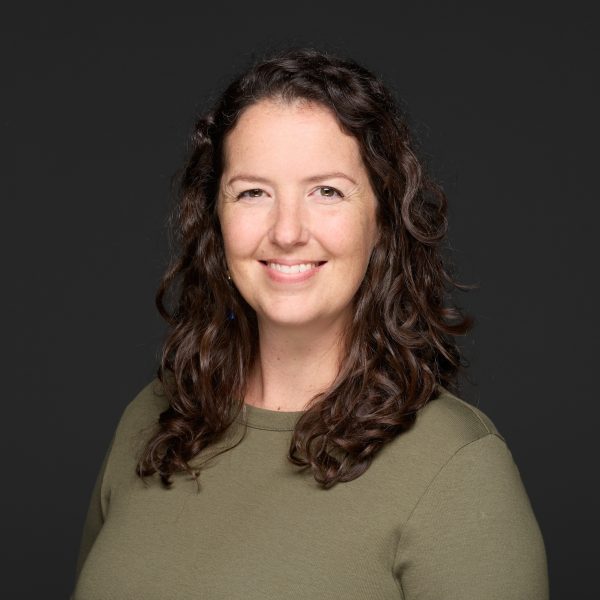
Kristin Wright
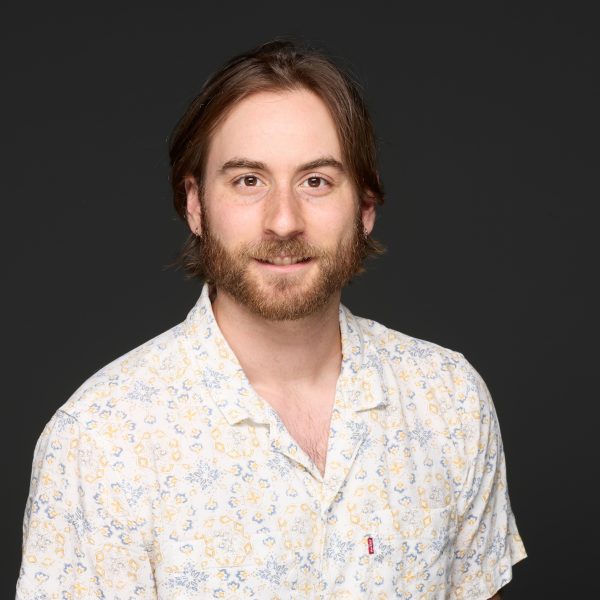
Sam Mandl
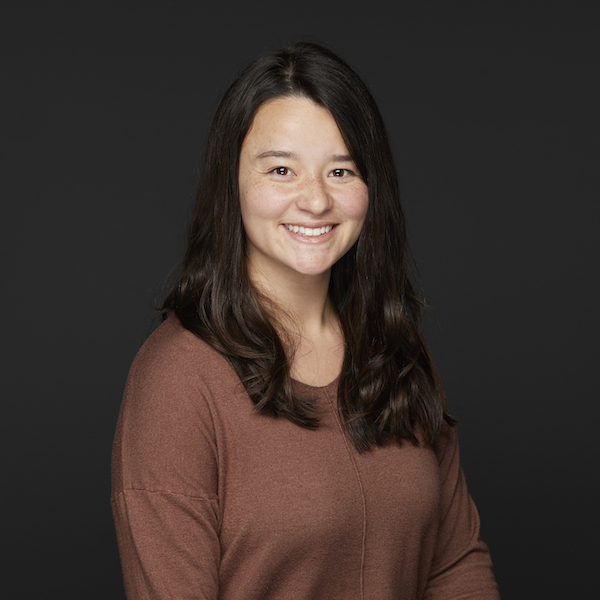
Siena Inaba
Expeditions
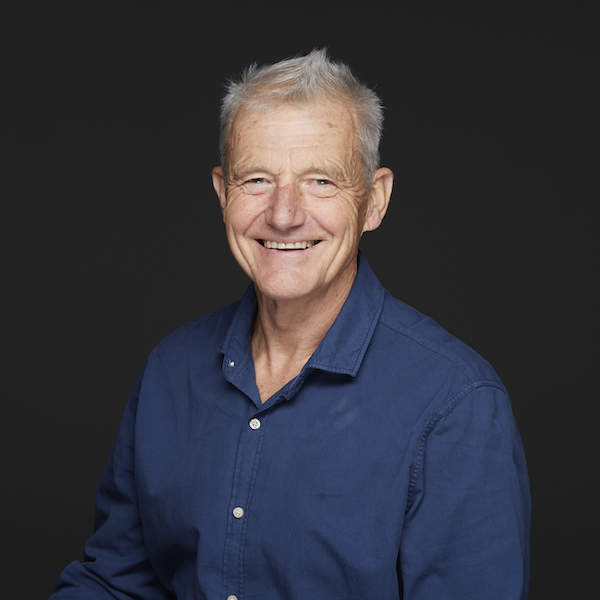
Paul Rose
Kelly Moore
Ryan Jenkinson
Sydney McDonald
Mike Barnaby
Doug Simpson
Keiron Fraser
Research
Lindsay Young
Whitney Goodell
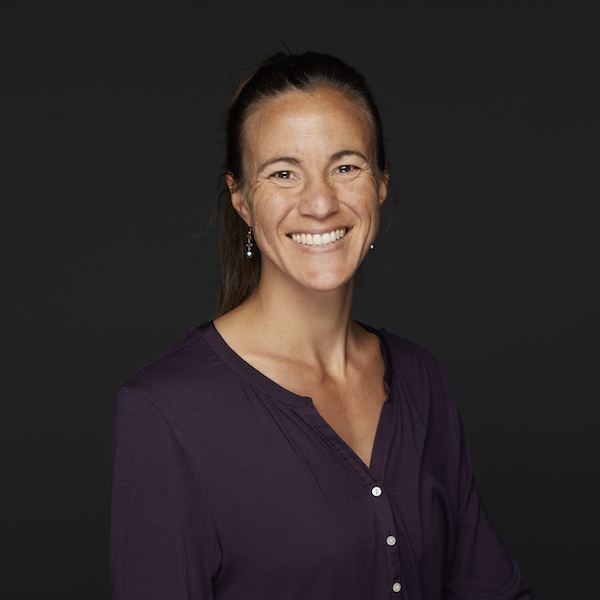
Whitney Goodell is a marine ecologist committed to pushing the needle of ocean health in a positive direction. As a systems thinker, her interests are in seascape ecology, geospatial patterns, fisheries ecology, spatial management, and the interactions between the ocean and humanity (to name a few). With Pristine Seas, she leads the deep sea component of the team’s research, using deep sea camera systems to explore life at the mysterious bottom of the ocean and better understand biological distribution patterns of the deep. Goodell holds a Master’s degree in Marine Biology from the University of Hawaiʻi at Mānoa, where her research contributed to the development and establishment of local-scale, community-based fishery management efforts. She has also conducted near-shore fisheries research in Brazil as a Fulbright Fellow, and later was a National Geographic Fellow with the NG Exploration Technology Lab, where she began exploring the deep sea with baited cameras. With an appreciation of multimodal approaches to ecosystem conservation, from local to global scale, Goodell explores ways to better understand and comprehensively protect Earth’s ocean ecosystems.
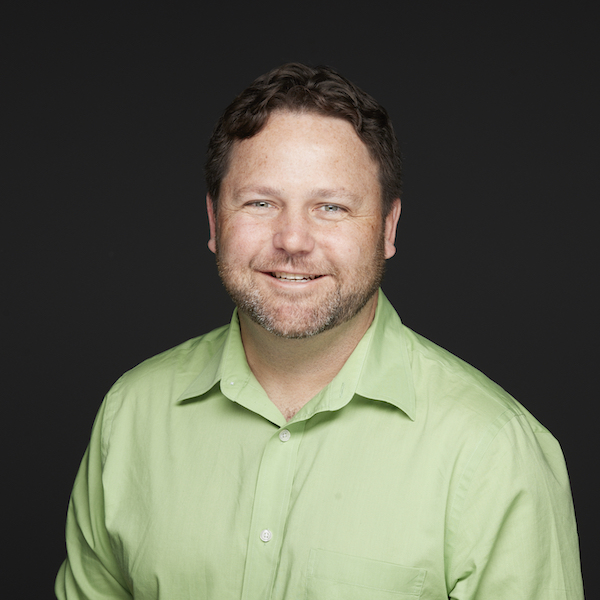
Chris Hines
Chris Hines oversees the education strategy and implementation for Pristine Seas. With a background in ocean literacy and education partnerships, he is passionate about developing meaningful connections between young people, educators, and the ocean. In collaboration with communities, Ministries of Education, and local partners, the education team co-creates educational initiatives that extend Pristine Seas expeditions into classrooms and communities. Before joining Pristine Seas, Chris spent 7 years with National Geographic Society’s Education team focusing on partnerships that support students and educators. Prior to that, he worked in ocean conservation and environmental education with NOAA’s National Marine Sanctuaries and in Tanzania. Chris has a B.S. in Business from Purdue University and M.S. in International Public Service from DePaul University.
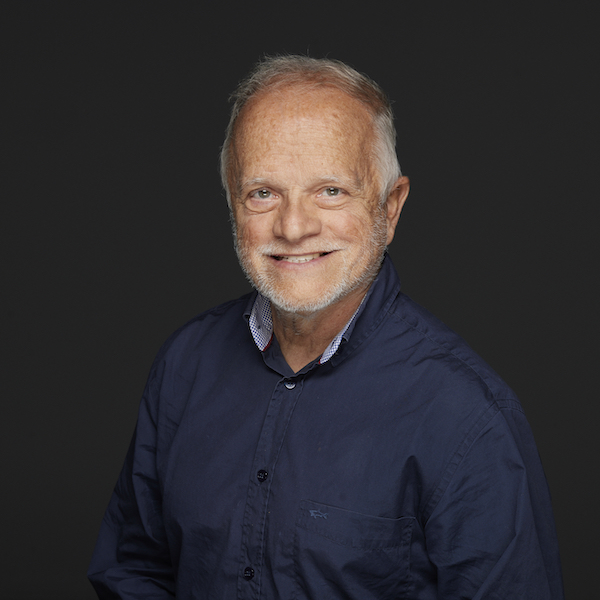
Kike Ballesteros
Enric “Kike” Ballesteros passed away in November of 2024 after a long battle with cancer. He was a spirited mentor and friend to the team members who were lucky enough to know him. His good humor was infectious and his endless curiosity built up an encyclopedic knowledge that he shared generously. A member of Pristine Seas since its inception, he joined nearly every expedition and served as the team’s expert on benthic assemblages. His main areas of research included habitat mapping and description, the effects of introduced species on ecosystems, seaweed ecology, and the long-term monitoring of benthic communities. He contributed to more than 300 research papers and authored several books on marine algae, mushrooms, and the biology and ecology of marine Mediterranean ecosystems, including Marine Wildlife of the Mediterranean (2015) which has been published in six languages. He was proud to have dedicated so much of his life to protecting the natural wonders he knew so intimately. Pristine Seas will not be the same without him and life in the ocean will be indebted to Kike forever.
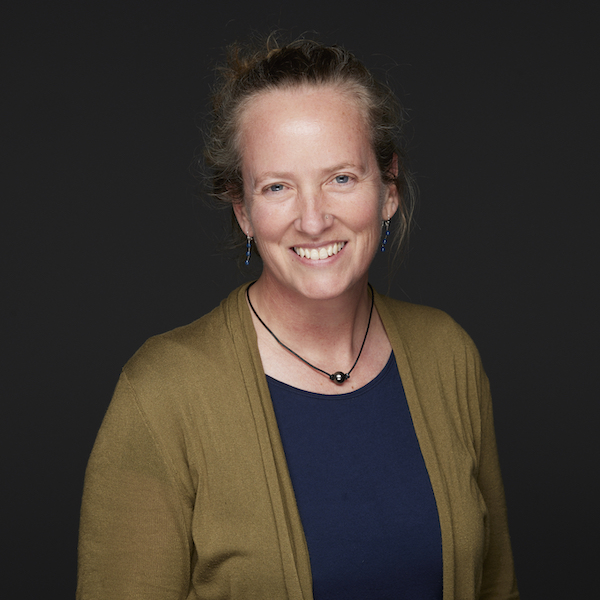
Molly Timmers
Molly Timmers is a marine ecologist who uses both traditional survey and cutting-edge molecular techniques to better understand the biodiversity of marine organisms across spatial and environmental gradients. Prior to National Geographic, she served as a marine scientist for 20 years with NOAA’s Pacific Reef Assessment and Monitoring Program researching coral reefs across more than 50 islands and atolls throughout the Pacific Ocean. She leads Pristine Seas’ eDNA initiative to fill knowledge gaps in the biodiversity and distribution of inconspicuous marine life from the shallows to the deep. She has a B.S. in Biology from Hamilton College, a M.S. in Conservation Biology and Environmental Science from the University of Hawaiʻi Hilo, and a Ph.D. in Zoology from the University of Hawaiʻi Mānoa.
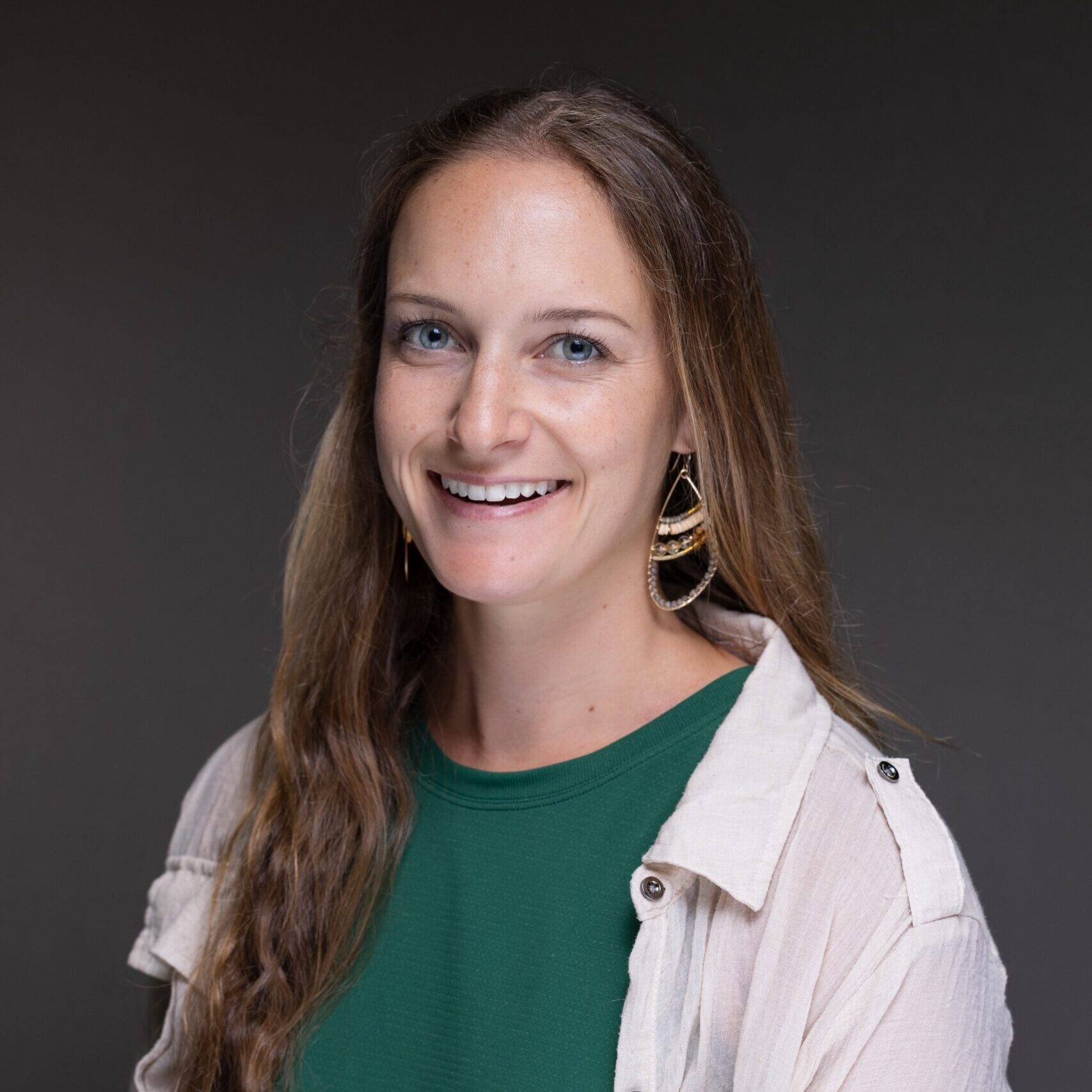
Mollie Asbury
Mollie Asbury is a marine ecologist who specializes in coral community surveys and species identification to support science-based reef conservation. Drawing on extensive fieldwork across diverse Pacific reef environments, her research focuses on documenting reef biodiversity and condition, and linking coral community patterns to the ecological processes that underpin reef resilience. Prior to joining Pristine Seas, Mollie completed her Ph.D. in Marine Biology at the University of Hawaiʻi Mānoa, where her research examined how environmental drivers and 3D habitat structure shape coral reef ecosystems across the main Hawaiian Islands. Her work combined large-scale field surveys with advanced photogrammetry approaches to generate insights into reef dynamics across environmental and anthropogenic gradients. She holds a B.S. in Marine Biology from Hawaiʻi Pacific University, where she worked with the National Oceanic and Atmospheric Administration to integrate large-area imaging into coral reef monitoring programs. Through her work, Mollie hopes to better understand coral reef ecosystems, the forces shaping them, and how science can guide their conservation.
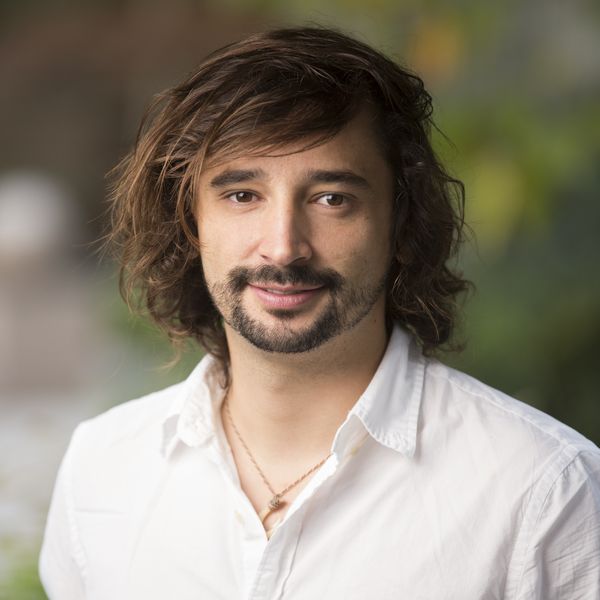
Juan Mayorga
Juan Mayorga is a marine scientist working to leverage emerging Earth monitoring technologies and datasets to catalyze ocean conservation. His work combines data science, marine ecology, economics, and conservation planning to distill actionable insights and support the creation of marine protected areas. Mayorga leads Pristine Seas’ partnership with Global Fishing Watch and the Environmental Markets Lab (EmLab) at the University of California, Santa Barbara, where he is an associate researcher. This collaboration has been instrumental in accelerating ocean protection by producing novel scientific research including the first high-resolution analysis of industrial fishing worldwide. His most recent work involves developing a state-of-the-art conservation prioritization framework to identify the most critical places in the ocean to protect biodiversity, safeguard carbon stocks, and improve fisheries yields. Mayorga manages Pristine Seas’ scientific database which brings together a wide array of scientific methods used by the team to explore and assess ocean life during our expeditions. At sea, he also leads our work exploring the twilight zone with mesophotic baited remote underwater video stations. Mayorga holds a BEng in environmental engineering from Universidad de Los Andes in Colombia and a master’s in environmental science and management from UC Santa Barbara. He’s a member of the National Ocean Protection Council scientific advisory team, the Ocean Panel Expert Network, and Global Fishing Watch’s Science Advisory Committee.
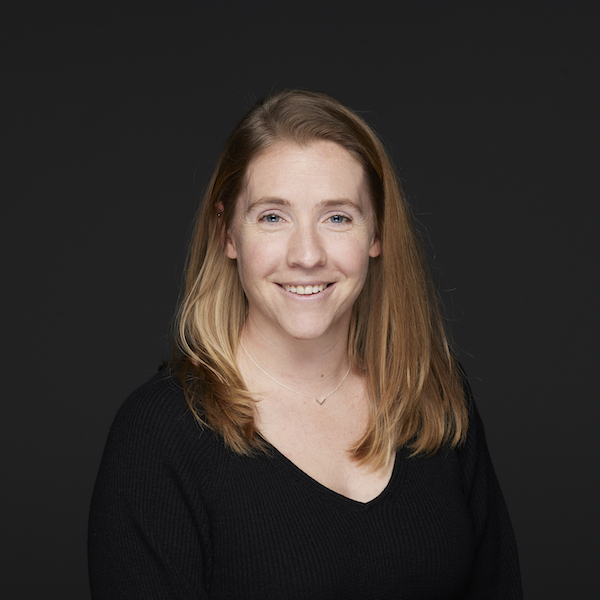
Kat Millage
Kat Millage is a researcher working at the interface of marine ecology, natural resource economics, and data science. Her work leverages principles from each of these fields to inform marine protected area design and implementation, promote sustainable fisheries management, and develop conservation finance solutions. Prior to joining the Pristine Seas team, she was a researcher with the Environmental Markets Lab at the University of California, Santa Barbara where she was involved in a variety of global and regional marine research projects. She has also worked as a research diver, surveying kelp forests along the California coast and coral reefs in the Turks and Caicos Islands. She has a Bachelor’s degree in Biochemistry from the University of San Diego and a Master’s degree in Environmental Science and Management from the Bren School at UC Santa Barbara.
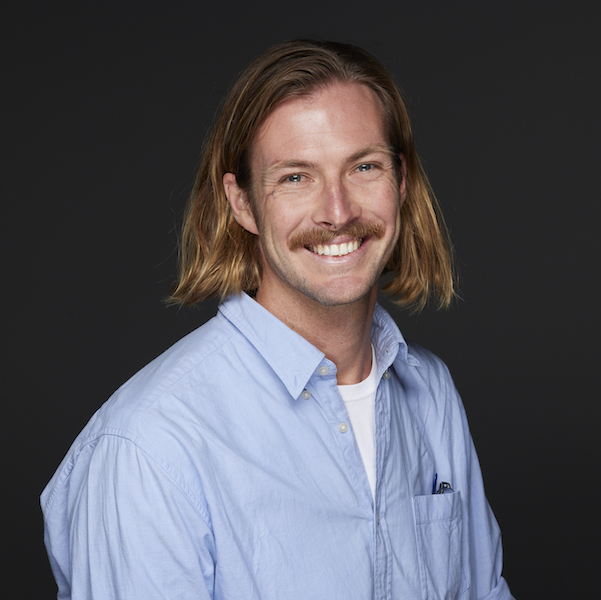
Chris Thompson
Chris Thompson is a marine ecologist and zoologist with a keen interest in anything to do with the natural world. The chief focus of his work is the pelagic ocean and the seabirds strongly linked to it. He has taken part in over twenty research expeditions working in locations from his backyard in Western Australia to the remote tropics, arctic, and sub-Antarctic. In this time he has developed sampling skills including deploying seabed, deep-sea and pelagic camera systems, surveying seabirds, tagging sharks, and conducting visual census’ of fishes, corals, and invertebrates. He completed his PhD at the University of Western Australia; in which he explored the impact of humans on global pelagic wildlife assemblages and what remote places can teach us about intact ecosystems. Through his work, Chris hopes to better understand our natural world, the drivers shaping it, and what we can do to conserve it.
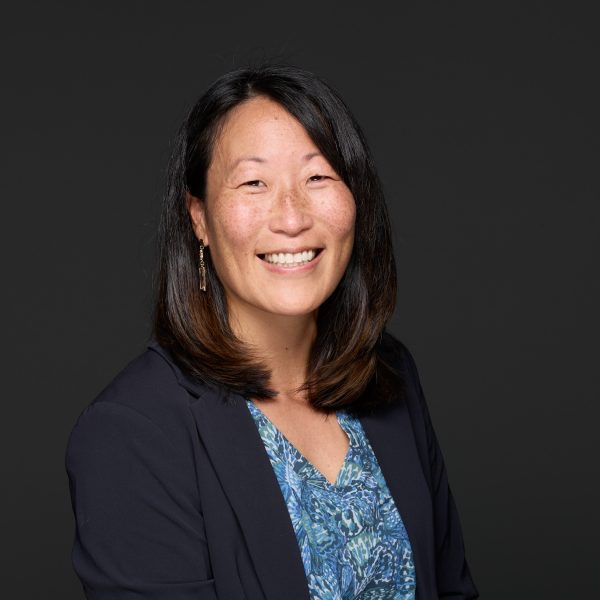
Tye Kindinger
Tye Kindinger is a marine ecologist specializing in coral reef fishes with a strong commitment to ocean conservation. Her research spans diverse ecosystems, focusing on community dynamics, predator-prey interactions, and the effects of global change, invasive species, and humans on marine systems. Prior to Pristine Seas, she served as Pacific Fisheries Lead for NOAA’s National Coral Reef Monitoring Program (NCRMP), where she led reef-fish monitoring across the U.S. Pacific Islands to inform science-based strategies for management and conservation. She holds a B.A. in Zoology from the University of New Hampshire and a Ph.D. in Zoology with a minor in Statistics from Oregon State University, where her dissertation documented how the invasive Pacific lionfish alters Atlantic coral reefs. As a postdoctoral fellow at the University of California, Santa Cruz, she studied how ocean acidification and warming reshapes marine communities. She is an affiliate faculty member of the Marine Biology Graduate Program at the University of Hawaiʻi.
Media
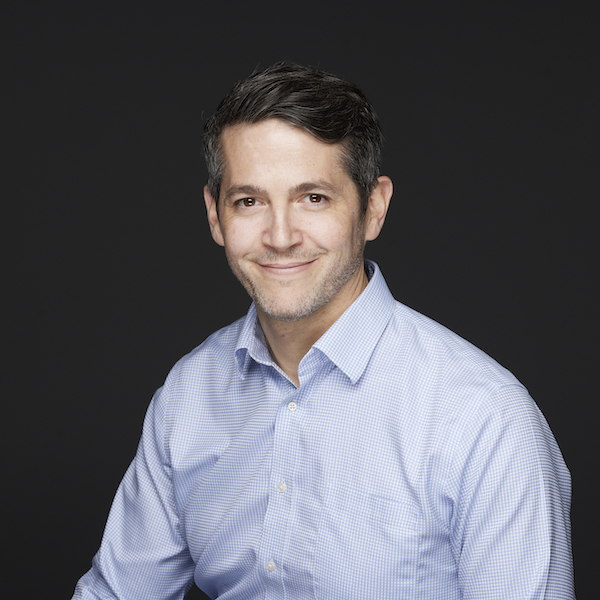
Scott Ressler
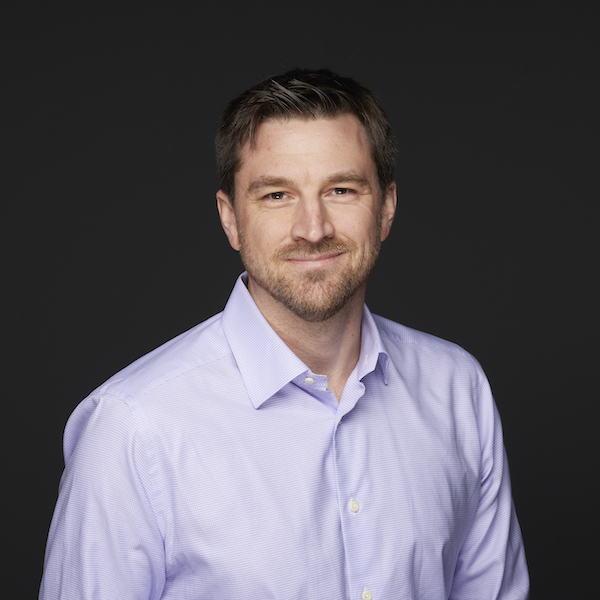
Brian Newell
Brian Newell is the Senior Editor for the National Geographic Pristine Seas team, producing and editing documentary films to help inspire ocean conservation and designing post-production technology solutions for the video production team. He has edited two award-winning feature documentaries at National Geographic: Into the Okavango (2018) and The Last Ice (2021). Brian graduated with a B.A. in film studies in 2005 and worked as a post-production supervisor and editor on shows for History, Discovery, Travel, PBS, and others before joining National Geographic.
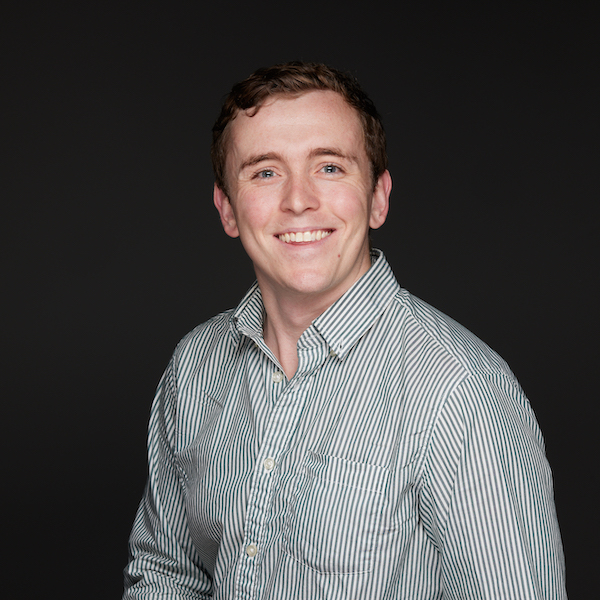
Christian Partenio
Christian Partenio works with the media team, editing and assisting with the production of short form and long form videos to advance the goals of the team at large. Christian worked with Disney Broadcast (NGC) for 3 years prior to joining Pristine Seas, working in the post-production of episodic docuseries as well as producing and editing various special projects. Before that, he worked as a corporate media shooter, producer and editor. He holds a degree in Digital Media and Design from the University of Connecticut.
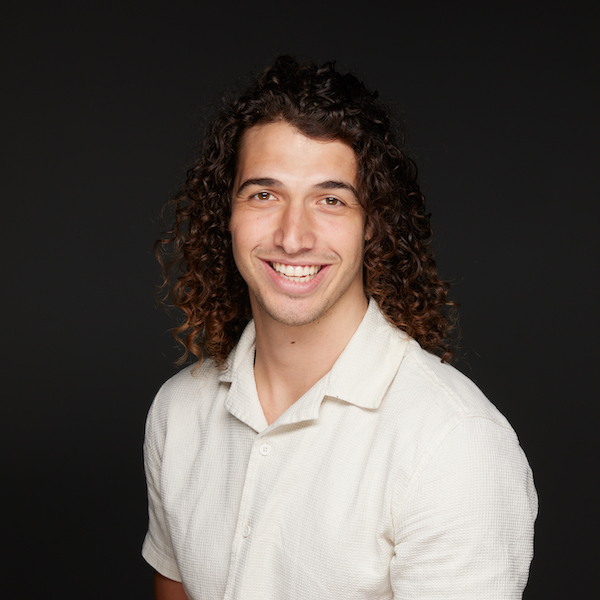
David Taylor

Manu San Félix
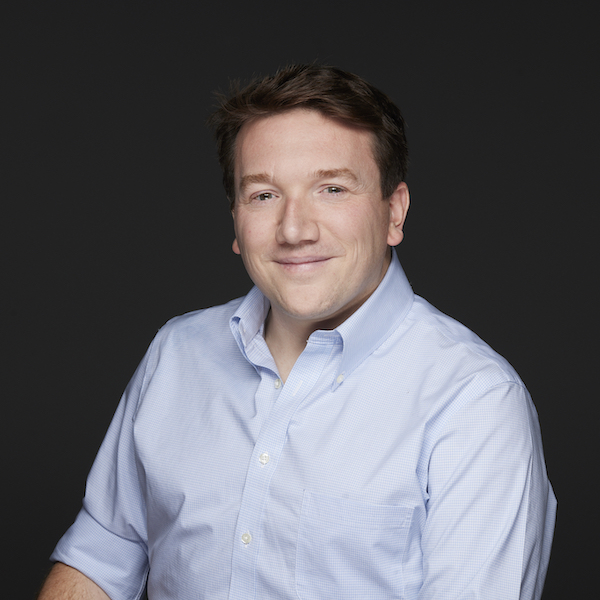
Steve Spence
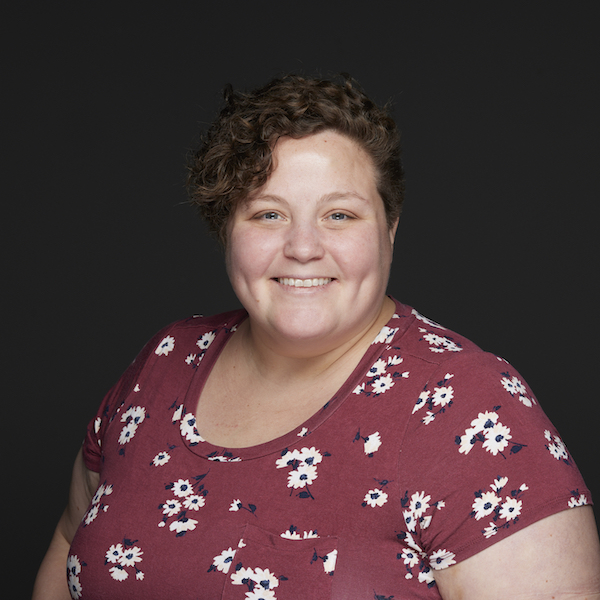
Liz Flamenbaum
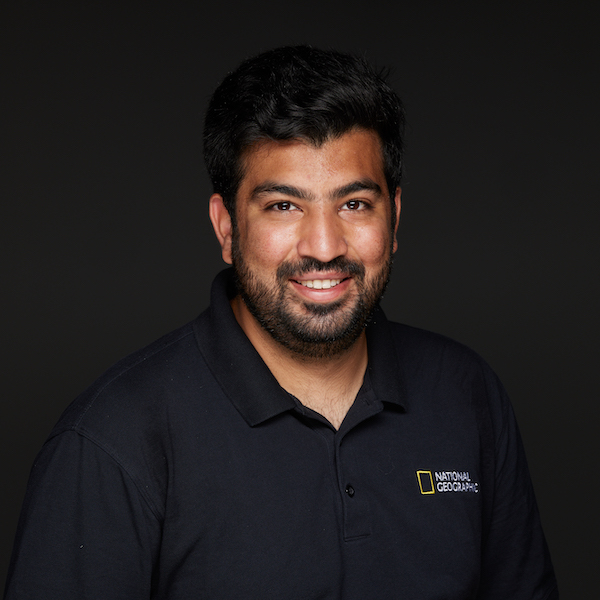
Hamza Kiyani

Sam Deleon
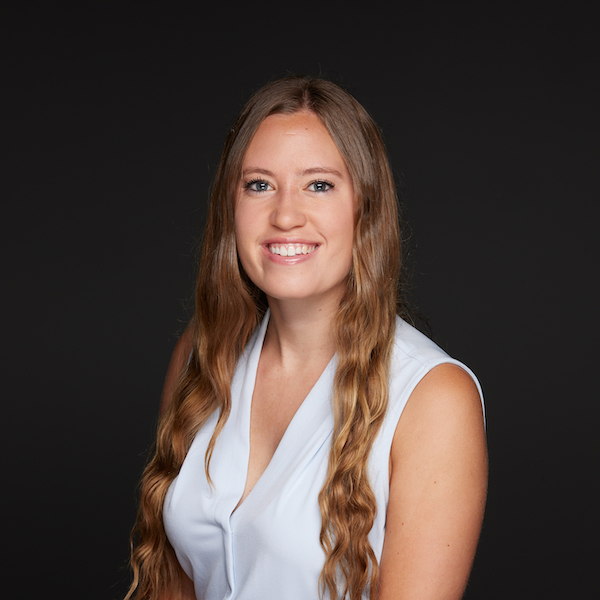
Melanie Lippert
Melanie Lippert assists with the pre- and post-production elements for Pristine Seas documentaries, helping to highlight and protect marine ecosystems in regions such as Dominica, Argentina and the Marshall Islands. Prior to Pristine Seas, she worked at the National Wildlife Federation as a Communications Fellow and for the Cheetah Conservation Fund in Namibia and Somaliland. She also worked at National Geographic Channel as a Production Assistant, helping with shows such as Clotilda: Last American Slave Ship and Gorongosa: Paradise Reborn. Lippert holds a B.A. in Biology and Journalism from the University of Richmond.
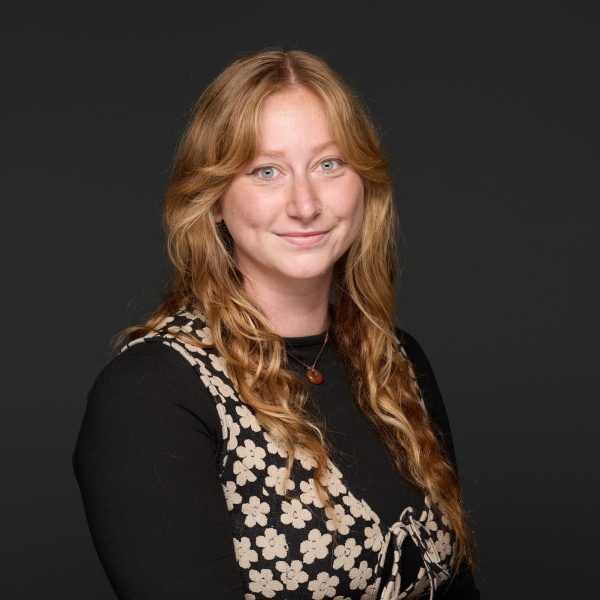
Morgan Thomas
Morgan Thomas is the Production Coordinator for Pristine Seas. Before joining Pristine Seas, Thomas worked with nonprofits like Docs In Progress and the Universal Service Administrative Co. She studied Film and Creative Writing at Purdue University.
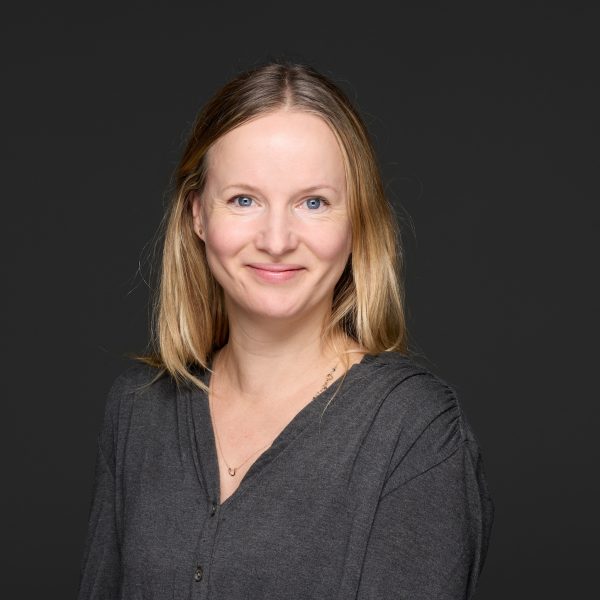
Alex Verville
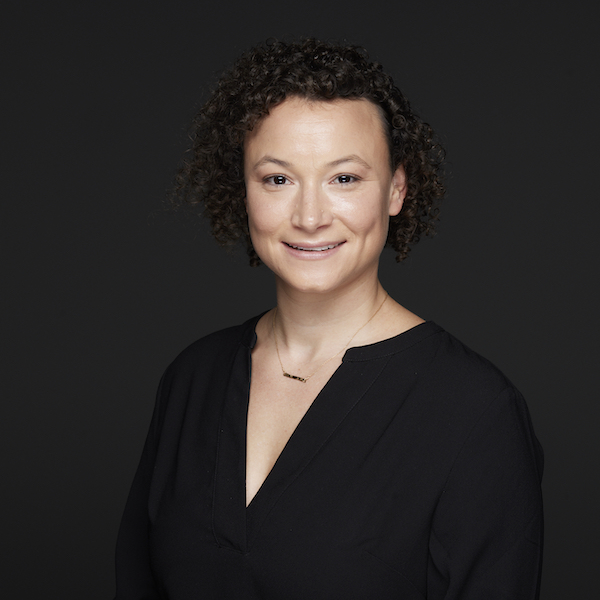
Tess Goldhagen
Tess Goldhagen is a producer who has worked on multiple Pristine Seas documentaries, including the feature-length film The Last Ice. Her work as a shooter and field producer on Pristine Seas expeditions have taken her around the world—from the Arctic to the Pacific—and has allowed her to tell stories about the resilience of healthy marine ecosystems and the communities that depend on them. Before working at National Geographic, she worked at non-profit organizations based in the United States, Ecuador and Uganda focused on social and environmental rights. Goldhagen holds a Bachelor’s degree in international development from McGill University.
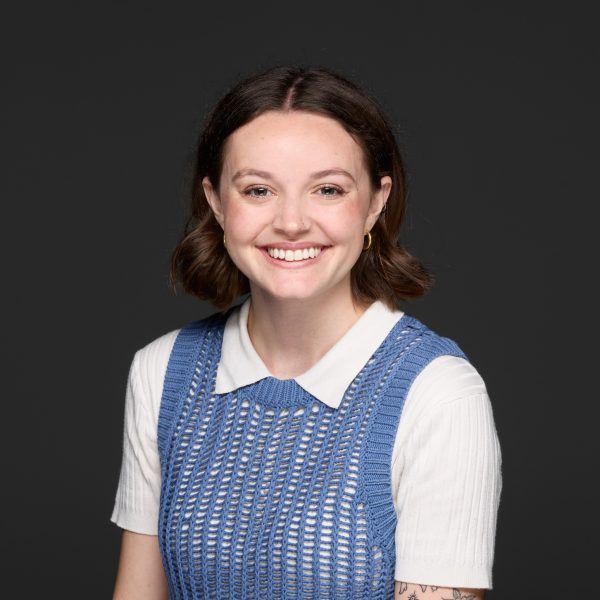
Mary Nail
Mary Nail supports the post-production of Pristine Seas’ documentaries. While she has edited content across many genres and platforms, her heart has always belonged to documentary filmmaking. She is thrilled to be creating compelling films to protect our planet’s oceans with the Pristine Seas team. Nail holds a Bachelor’s degree in history from Hendrix College.
Strategy
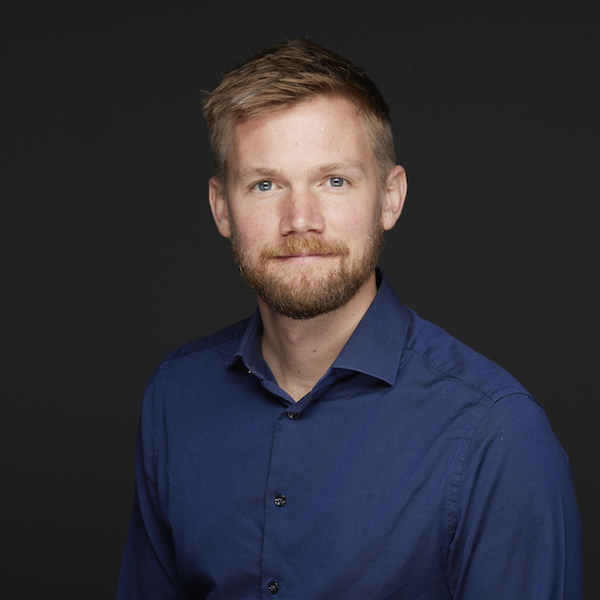
Dan Myers
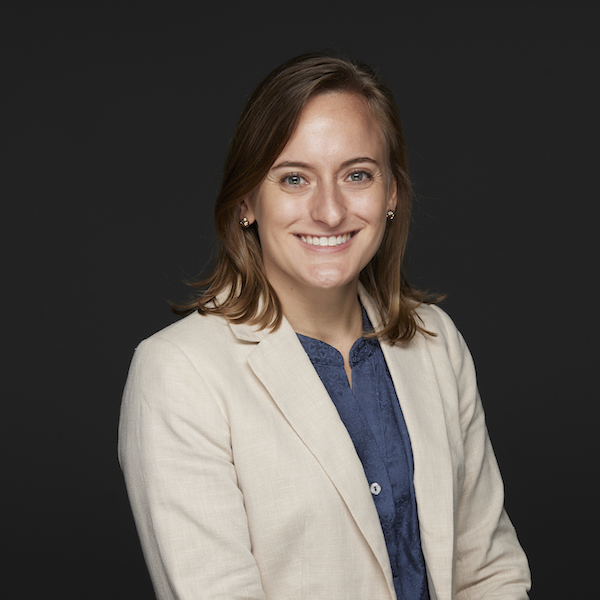
Jenny Miller

Kevin Chand
Prior to joining the National Geographic Society, Kevin Chand served as the Senior Legal Adviser at the Permanent Mission of Vanuatu to the United Nations. Chand played a prominent role in the campaign to take the issue of climate change to the International Court of Justice, co-facilitating the negotiations of this resolution, leading efforts to develop and implement a legal and political strategy for the initiative. While at the UN, he actively contributed to the PSIDS group in the BBNJ negotiations.
Chand began his career in ocean law and policy in Fiji focused on the intersection of customary marine tenure systems, Indigenous fishing rights, and national legal systems. Previously he worked with regional organizations in the Pacific including the Pacific Islands Forum Fisheries Agency and the Pacific Community. Chand has taught at Stanford at and was based at the Stanford Center for Ocean Solutions.
Chand has an LLM from Stanford Law School, a Master of Environmental Management from the University of Queensland and a Bachelor of Law from the University of the South Pacific.
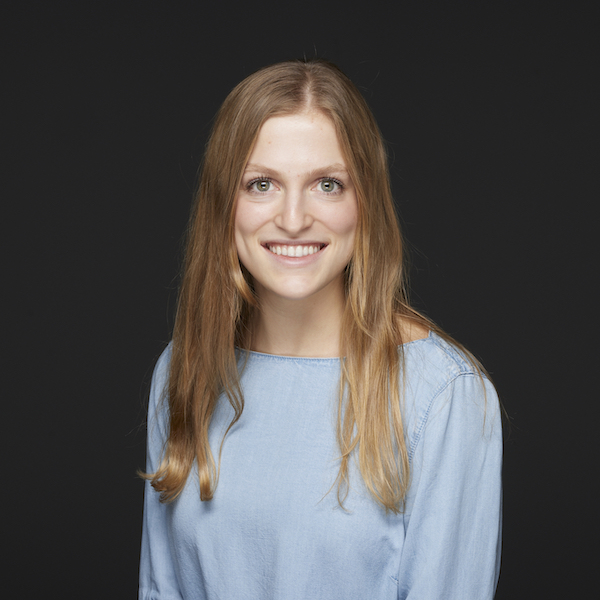
Courtney Lorey
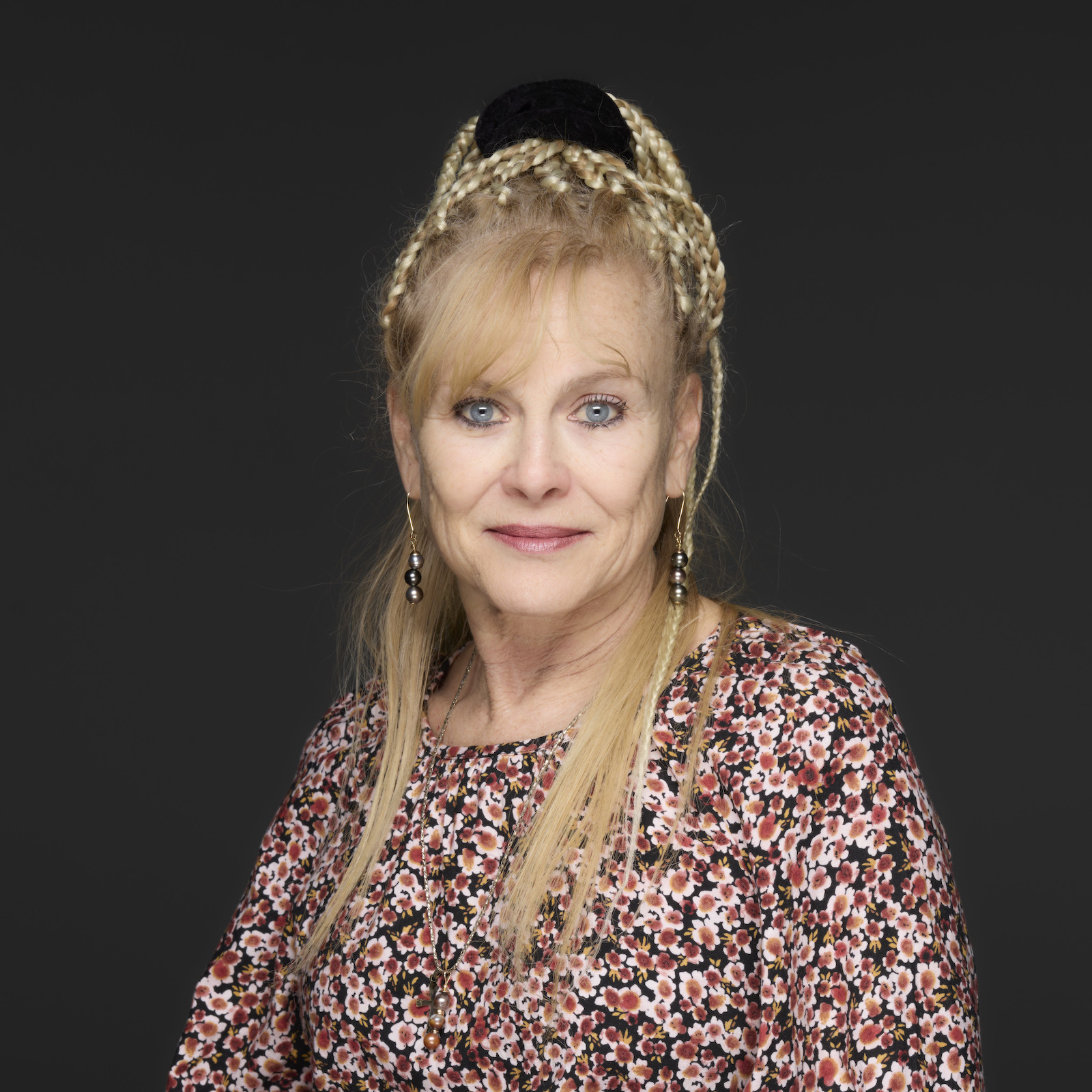
Mia Rimon
Mia Rimon is a Pacific expert who has been working in senior roles in Government and Pacific Regional Organizations for more than two decades years. Prior to joining the Pristine Seas team as Pacific Advisor, Rimon was the Regional Director for Melanesia for the Pacific Community (SPC). In Melanesian countries she has played a lead role in developing National Ocean Policies, in resourcing and supporting completion of Marine Spatial Plans and implementation of National Ocean Policies in the Solomon Islands, Vanuatu, and Papua New Guinea. She has advised Pacific Island Countries and Territories on policy development and served as key advisor to the Chairman of the Vanuatu Public Service Commission. Mia founded the Youth@Work programme providing employment and training to unemployed and uneducated youth in the Solomon Islands. Mia served the Pacific Community for 17 years as a member of the Senior Leadership Team of SPC. Rimon holds a Master’s degree with Distinction in Public Policy from Flinders University in Australia and is a recognized regional expert in Gender Based Violence (GBV), having completed national studies and interventions on GBV in Kiribati and the Solomon Islands.
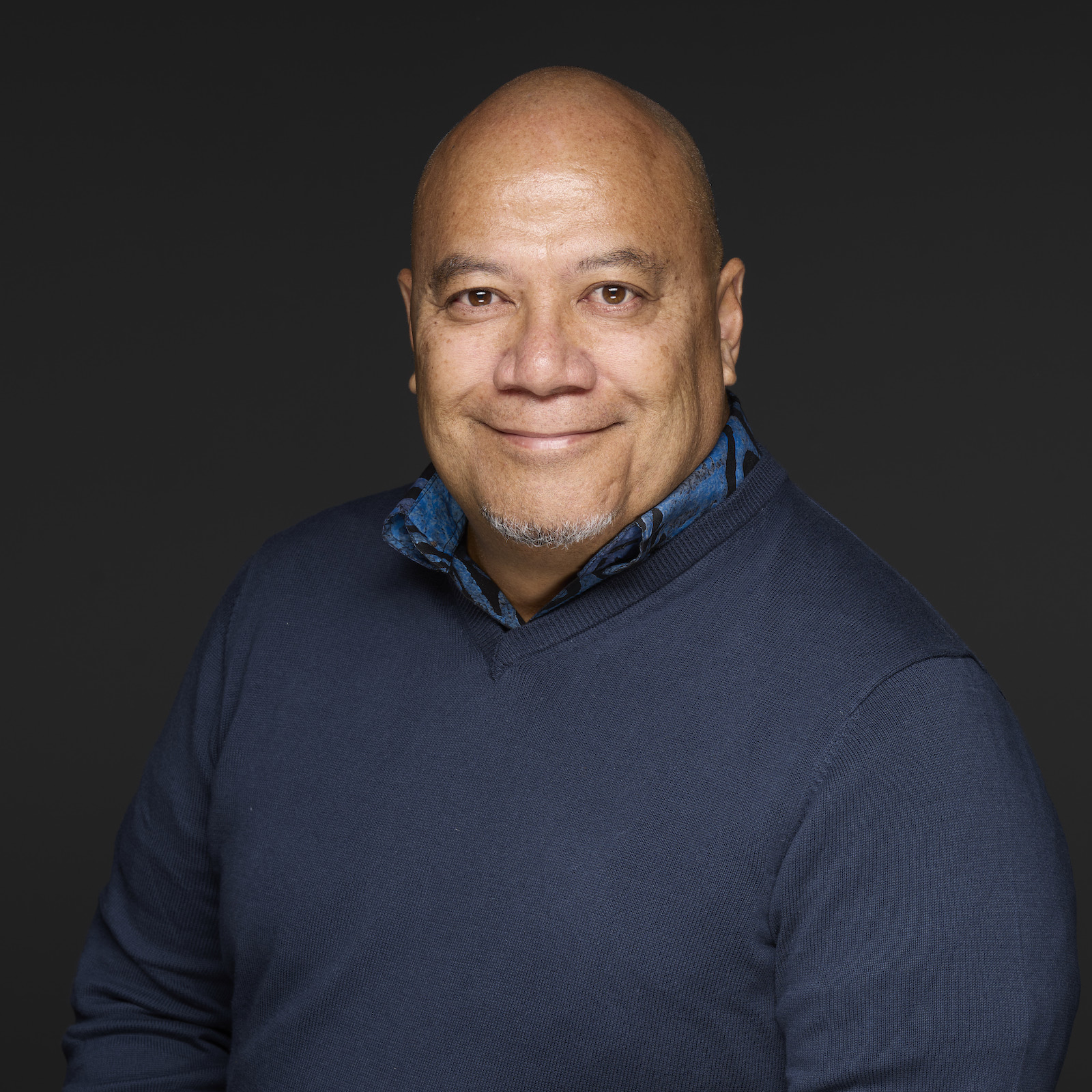
Taholo Kami
Taholo Kami is a Tongan born, resident of Fiji and was raised in Papua New Guinea. He has advised Pacific Island Governments, International and regional organizations as well as civil society and church networks. Previously he was the regional Director for IUCN Oceania, the Special Representative for Oceans for Fiji and he managed the Small Islands Developing States Network in UNDESA, New York as well as running the biggest early social networking site in the Pacific – the Pacific Islands Kava bowl Forum. He is a founder of WOWS Kids Fiji a charity that supports children with cancer in Fiji, leads the Tongan community and continues to convene and support innovators and emerging leaders. He has an accounting degree from the University of Technology of Papua New Guinea and completed an MBA in marketing/eCommerce as a Fulbright scholar at Vanderbilt University.
Communications
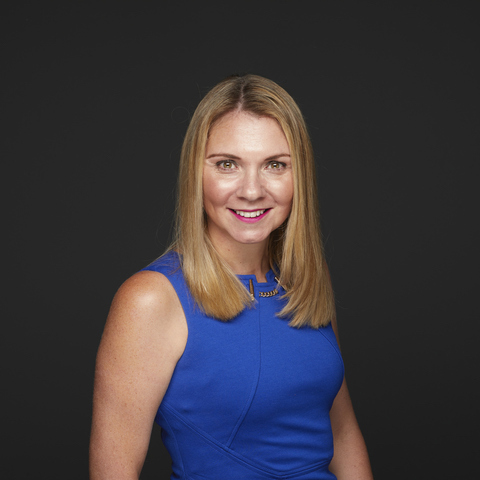
Kirsten Weymouth
Kirsten Weymouth is responsible for global communications strategy for Pristine Seas. Working closely with the public affairs team, she is responsible for executing strategies to amplify the program, science and research, and to raise awareness of the importance of ocean protection for the long-term benefit of people and nature. Prior to joining National Geographic, Weymouth was a senior member of the global media relations team at The Nature Conservancy, and she has over 15 years experience working with mission-driven organizations. Weymouth received a Bachelor’s degree in Advertising from the Queensland University of Technology (Australia) and a Master’s degree in professional communication from the University of Southern Queensland (Australia).